| 24cm Eisenbahngeschütze Casing |
| |
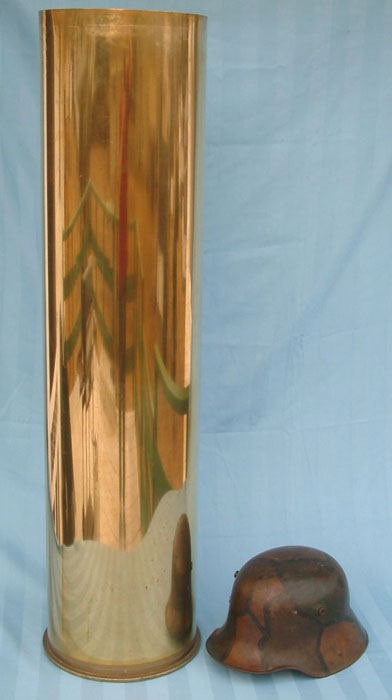
Eisenbahngeschütze (Railway Gun) casing for the 24cm Kanone (cannon).
There were two types of 24cm Kanone; one had a barrel length of L/30 (30 x 24 cm =720 cm =23.6 ft) with a range of 18.7 km (11.7 miles) and was named Theodor Otto with two made. The second type had a barrel length of L/40 with a range of 26.6km (16.6 miles) and was named Theodor Karl.
The first E-guns (E = Eisenbahngeschütze) were used in action in 1916 as a potent and very mobile resource with the primary targets being: enemy long-range guns, railway yards, depots, road junctions, airfields, and troop concentrations.
This 1918 dated example is marked to the Fußartillerie (Foot Artillery) and is shown with a Model 1916 Stahlhelm to illustrate the size. The casing stands 103 cm (40 1/2 inches).
|  |
|
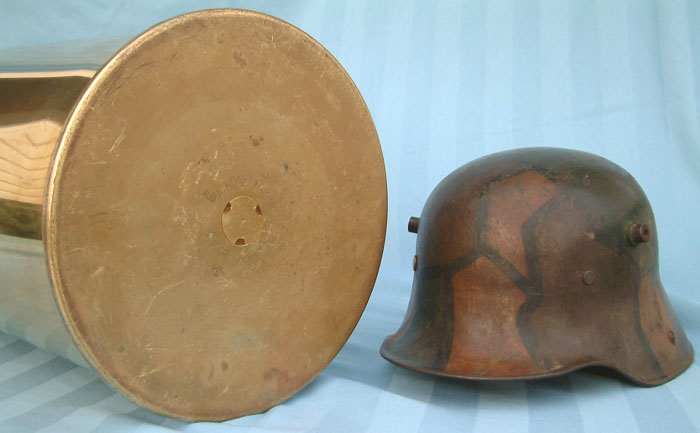 |
| The base of the 24cm Kanone casing shown with a Model 1916 Stahlhelm to illustrate the size.The base measures 27.5 cm (11 inches) across. The first cartridge cases used for the 24cm Kanone were of naval origin as these superb Krupp manufactured guns were originally mounted in turrets on the obsolete Wittelsbach Class Battleships. These Imperial German naval casings had an "M" with a crown above it and the month of production in Roman numerals. Army casings are marked with the month (January etc) and the flaming bomb of the Fußartillerie (Foot Artillery). |
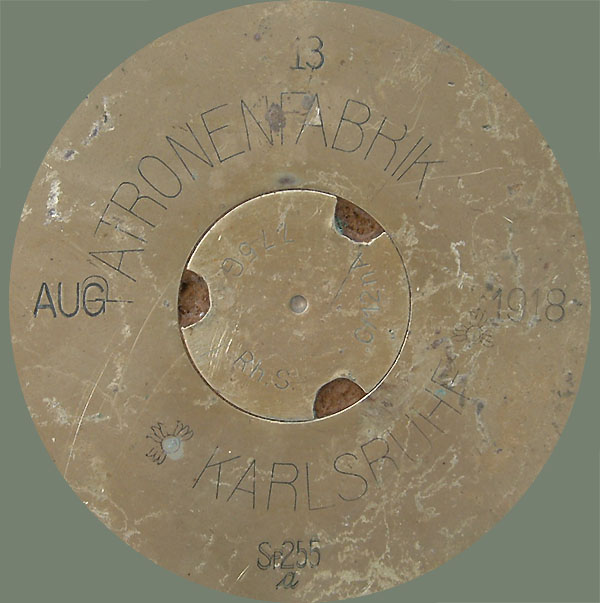 | A close-up of the head stamping on the base. Marked: PATRONENFABRIK (cartridge factory) KARLSRUHE and the dates of " AUG 1918".
"Sp255" is the inspection quality-control code for Patronenfabrik Karlsruhe.
Note that the primer has been struck, so this casing was fired.
| |
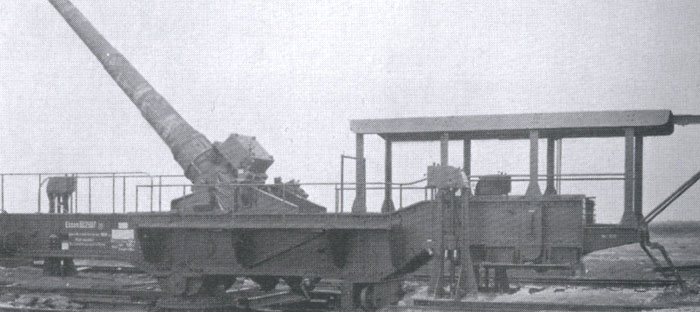 |
| The 24cm Theodor Otto was designed so that it could be mounted on the large rotating plate mounted to the bottom of the carriage and be employed with the front and rear wheels removed. This resulted in a gun that was not capable of being quickly moved. Firing from a railway track, however, resulted in little or no traverse. This required that the gun be placed on a part of railway track with a curve that also pointed in he direction of the enemy, or building special extra railway curves for their use. |
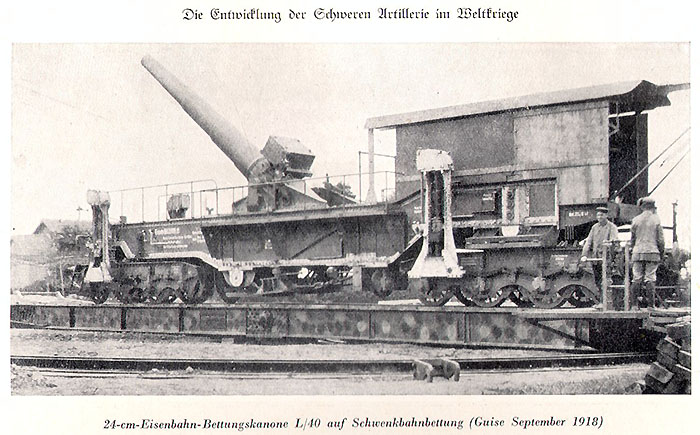 |
| In 1917 the guns were placed on a turntable so that the gun would have a 360° traverse and keep the wheels mounted whihc allowed them to be moved quickly. The guns were modified to take advantage of this new technique, which gave them a status between Railway guns and embedded ones, which is shown in their new designation: EB-guns (= Eisenbahn-Bettungsgeschütze). This photo from Das Ehrenbuch der Deutschen Schweren Artillerie (The honour book of the German Heavy Artillery) shows a 24cm Theodor Otto on a camouflaged firing turntable. |
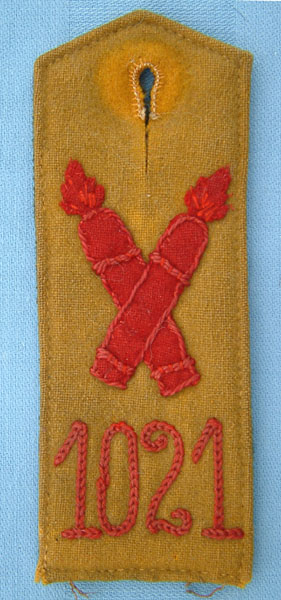
According to Das Ehrenbuch der Deutschen Schweren Artillerie (The honour book of the German Heavy Artillery) the following Fußartillerie (Foot Artillery) independent batteries manned 24cm Railway guns:
- 1000
- 1003
- 1004
- 1006
- 1007
- 1008 (Bayerisches)
- 1009 (Bayerisches)
- 1012
- 1016
- 1017
- 1019
- 1024
- 1021
|  | |
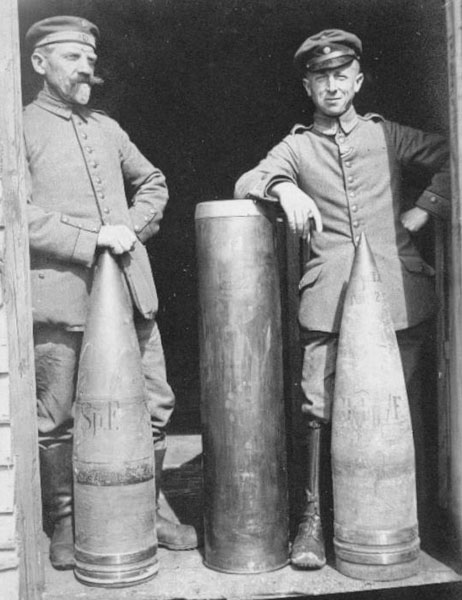 | A soldier and an NCO pose on a railway car with two high-explosive projectiles and a casing for the 24cm Eisenbahngeschütze.
| |
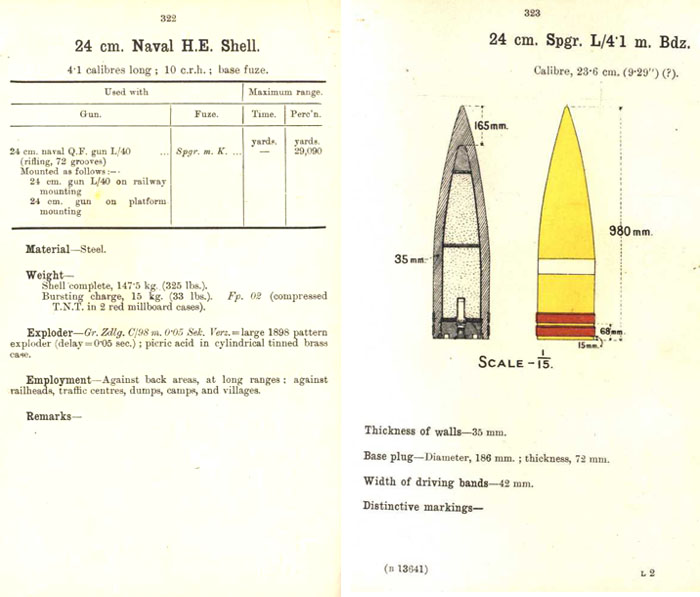 |
| The 24cm Kanone round at 147.5 kg (325 lbs.) according to a 1st war United States intelligence book, was rated at a maximum range of 26.6 km (29,090 yards). |
| |
|
 |